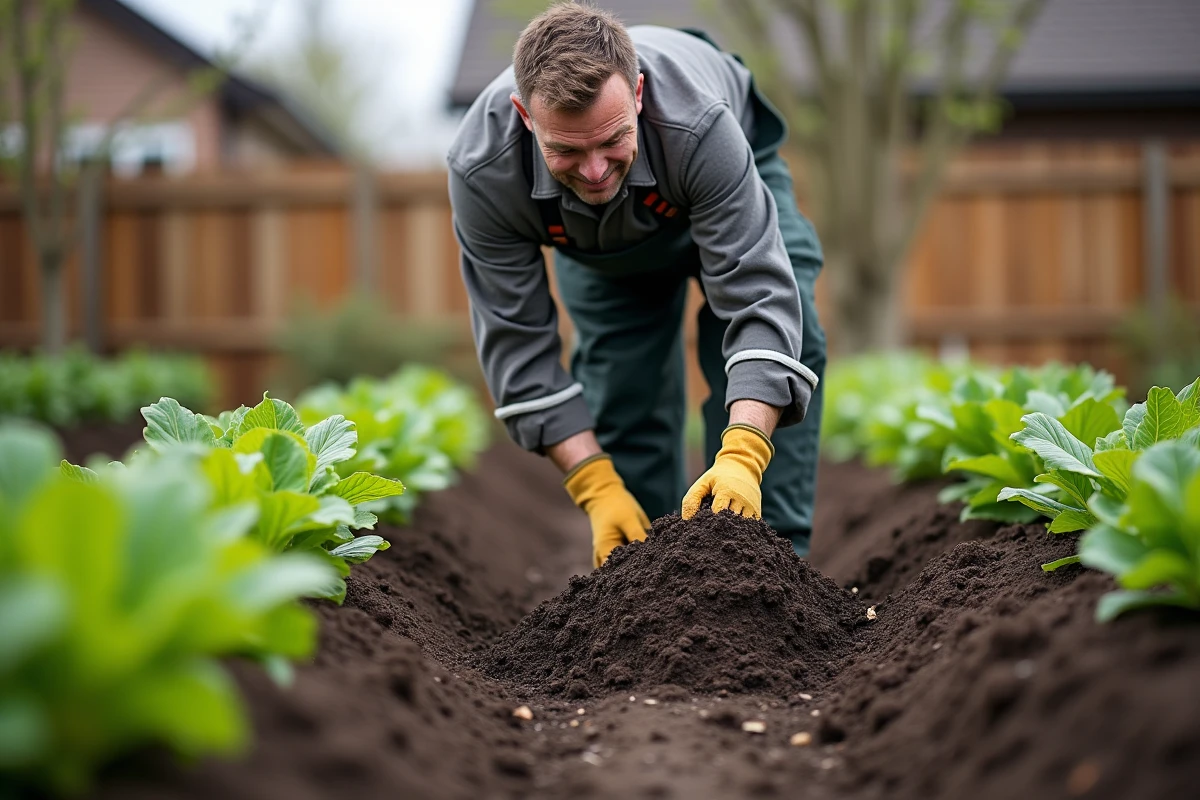
15 kg of horse manure for €6.99. The equation seems simple, almost too good to be true. Lidl, champion of discount aisles, slips this promise into its gardening sections: an “all-in-one” animal amendment to boost yields without breaking the bank. But what does this Lidl-branded bag of manure really offer? Does the promise hold up behind the label, or does it hide limitations often overlooked?
Fertilizers derived from animal materials sold in supermarkets meet strict regulatory requirements, but their effectiveness heavily depends on their origin and the composting process used. The horse manure marketed by Lidl benefits from a special treatment, designed to set it apart from its direct competitors.
Experienced gardeners sometimes note significant differences when using amendments from the industry, particularly regarding decomposition speed and effects on soil biological activity. This manure is intriguing: it combines nutritional balance, soil improvement, and an accessible price.
Lidl Horse Manure: A Natural Ally to Boost Soil Life
For those looking to invigorate their soil, Lidl’s horse manure stands out for its organic matter content and its ability to transform tired soil into fertile ground. Its composition, derived from selected and then composted manure, acts deeply: the soil structure is improved, aeration is facilitated, compaction is limited, and water penetrates better. All these advantages promote rooting and vigor in crops.
The gradual release of nutrients—nitrogen, phosphorus, potassium—nourishes microbial life and encourages the proliferation of earthworms. The result: the formation of humus accelerates, the soil gains in flexibility, color, and richness. Mixed with fragmented branch wood or dead leaves, this manure balances the carbon/nitrogen ratio, optimizing decomposition and limiting imbalances.
Here’s what users primarily look for in this type of amendment:
- Durable improvement of soil structure
- Stimulation of microbial life essential for a living soil
- Slow release of nutrients to support long-term fertility
The ideal? Apply it during soil preparation, in autumn or late winter. After a few weeks, the change is noticeable in the vigor and color of vegetables or flowers.
What Are the Real Benefits for Your Plants and Vegetable Garden?
This Lidl horse manure profoundly alters the dynamics of the vegetable garden and flower beds. Its organic richness nourishes the soil, stimulates growth, and gives plants the means to thrive fully. Demanding vegetables like squash or potatoes benefit from a regular supply: abundant foliage, generous harvest, and steady growth.
The main observed benefits include:
- Growth stimulation thanks to nitrogen and other essential nutrients
- Enhanced flowering: better-nourished soil encourages more flowers for longer
- Prolonged effect: the manure releases its benefits throughout the growing cycle
Perennials and root vegetables also find their advantage, benefiting from softer soil and increased fertility. Young plants, for their part, establish more easily in carefully prepared soil.
Another less visible but crucial advantage: the enrichment of microbial diversity. By stimulating microorganisms, the manure contributes to soil balance and reduces reliance on mineral fertilizers. When used properly, it becomes the foundation of a productive vegetable garden, tailored to the needs of each crop.
Practical Tips and Ideas for Experimenting in the Garden
Applying horse manure should be well thought out: favor autumn or late winter for spreading it, as this provides the soil with fresh organic matter to integrate before sowing. Spread a regular layer, then incorporate it into the surface to stimulate biological activity and the work of earthworms.
Gardeners working with heavy soils can combine composted manure with wood chips or a straw-leaf mix to improve structure and aeration. On sandy soil, autumn incorporation helps retain moisture and limit leaching. A layer of mulch applied after the amendment prolongs nutrient diffusion and protects soil life.
Some Concrete Uses
Here are various ways to integrate Lidl horse manure into the garden:
- Enrich the vegetable garden by alternating rows of vegetables with applications of composted manure
- Create fertile mounds for intensive crops by combining straw, branches, and compost
- Revitalize perennials as winter ends
- Strengthen ornamental beds by placing a layer of mature manure under the mulch
Soil preparation makes all the difference: a superficial working is sufficient; there’s no need to disturb the soil deeply. Observe how the soil reacts, adjust quantities based on texture and the needs of your crops. It is through this observation that the gardener refines their technique, season after season.
A bag of Lidl horse manure is not a magic wand, but it can become the starting point for a living soil, a nourishing garden, and a more generous harvest. True fertility is built over time, through patience and attention.