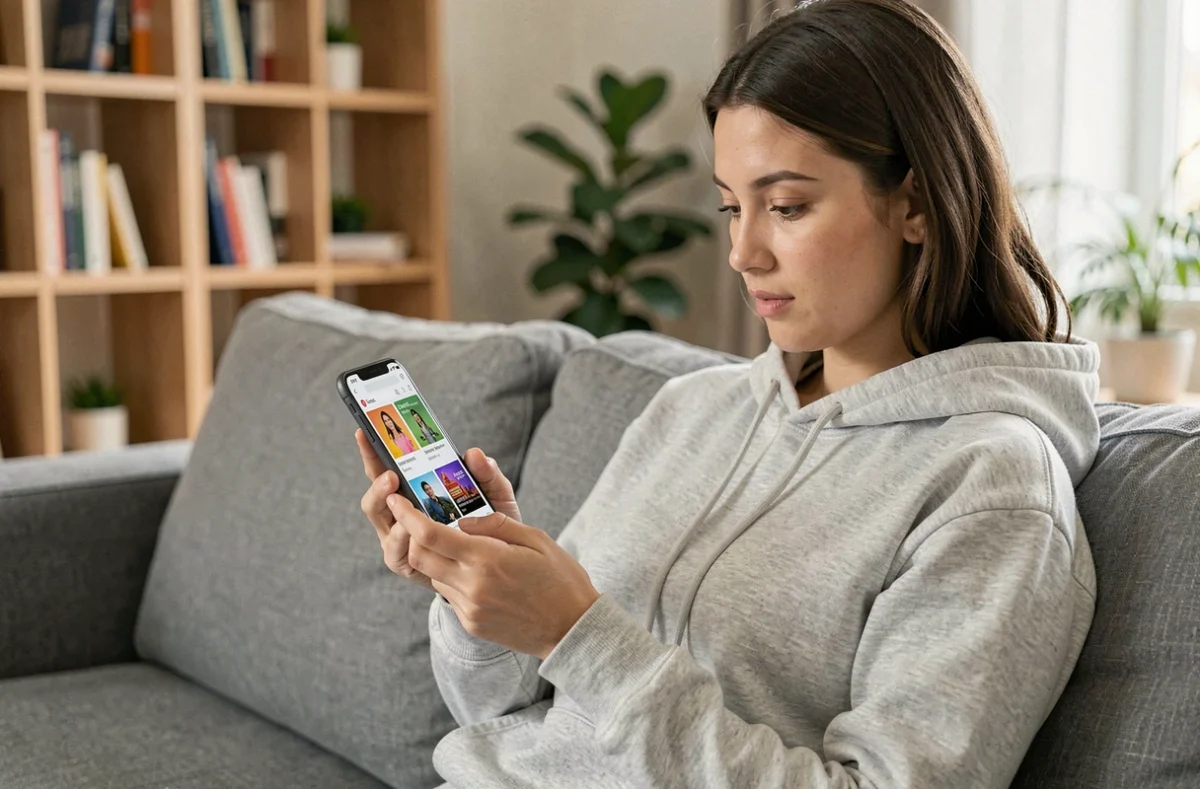
DNews offers two distinct entry points to access news: an app available on Google Play and a presence on YouTube. These two platforms follow radically different design, navigation, and content consumption logics. Comparing the user experience on Google Play and YouTube for the same news aggregation service allows us to measure what each channel provides and what it sacrifices.
Comparison Table: Google Play vs YouTube for DNews
Before analyzing the gaps in detail, a structured overview of the functional differences between the two platforms clarifies the trade-offs for the user.
| Criterion | DNews on Google Play | DNews on YouTube |
|---|---|---|
| Content Format | Text articles, personalized feed | Videos, short or long formats |
| Personalization | Feed tailored to reading preferences | Algorithmic video recommendations |
| Notifications | Configurable push notifications by topic | Alerts related to channel subscriptions |
| Consumption Mode | Quick reading, information scanning | Passive viewing, duration dictated by format |
| Updates | Regular app maintenance required | No user action needed |
| Subscription Management | Via the store (in-app purchases possible) | Free channel subscription |
| Offline Accessibility | Local caching possible depending on the app | Download limited to YouTube Premium |
This table highlights a fundamental gap: Google Play favors active reading, while YouTube promotes passive consumption. The choice depends on the user’s relationship with information.
To delve deeper into the user experience with DNews depending on the platform, several technical parameters deserve detailed examination.
Notifications and Personalization of the DNews Feed
On Google Play, DNews operates as a news aggregator with a personalized feed similar to Google News logic. The user selects their topics, adjusts their preferences, and receives targeted push notifications. This granularity in settings allows for filtering out information noise.
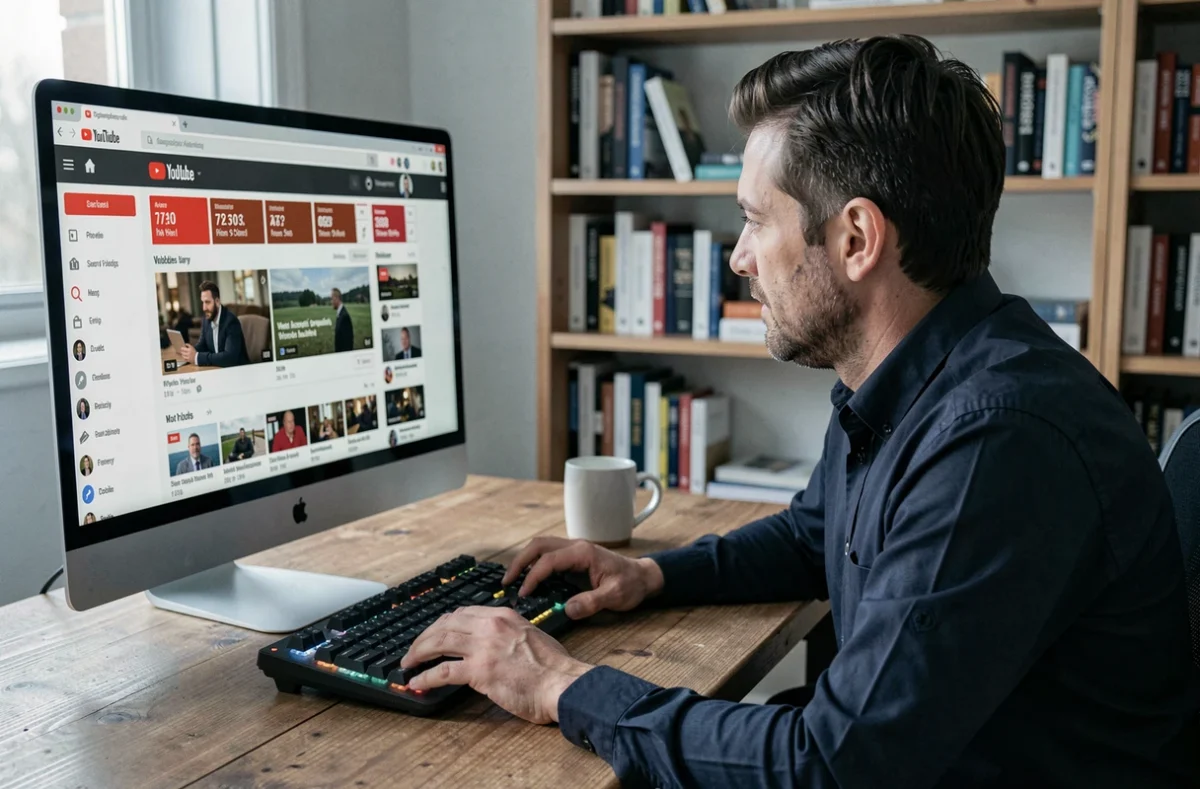
On YouTube, personalization relies on a different mechanism. The recommendation algorithm suggests videos based on overall viewing history, not just news-related preferences. A user who regularly watches cooking tutorials will find their DNews recommendations drowned in a sea of heterogeneous content.
This distinction has a direct consequence on user retention. The Google Play app creates a dedicated environment where the user immediately finds their news feed. YouTube dilutes this experience in a general video streaming ecosystem.
Alert Management: Two Philosophies
Push notifications from an app installed via the Play Store offer precise control. The user chooses the frequency, categories, and can mute certain alerts without uninstalling the app.
On YouTube, alerts are limited to a binary signal: activated or deactivated for the channel. No filtering by topic, no frequency modulation. For a news service, this rigidity represents a significant functional limitation.
Technical Constraints and Updating the Google Play App
Installing DNews from the Play Store involves accepting the constraints inherent to any mobile application:
- Regular updates are necessary to fix bugs, adapt the interface to new Android versions, and maintain compatibility with Google services
- The storage space occupied on the phone varies by version, and some entry-level devices may encounter limitations
- Permission management (data access, notifications, local storage) requires user vigilance
YouTube, on the other hand, does not impose any of these specific constraints on DNews. The YouTube app is already installed on nearly all Android devices. Accessing DNews on YouTube requires no additional installation, which reduces entry friction to zero.
This difference weighs heavily in actual usage. A user hesitant to install an additional app will find immediate access on YouTube, even if the experience is less specialized.
Video Format vs Text Format: Impact on Information Retention
The format conditions how information is absorbed. On Google Play, DNews offers a textual format that allows for quick scanning: headlines, leads, short paragraphs. The user decides in seconds whether an article deserves their attention.
On YouTube, the video format imposes a different pace. Even a short video of a few minutes requires a greater time investment than reading an equivalent article. Information is linear: it is impossible to jump directly to the relevant paragraph without scrubbing the timeline.
Which Format for Which Time of Day
Text is suited for brief consultations: commuting, breaks, waiting in line. Video is more appropriate for longer availability moments when the user is willing to spend several minutes on a topic.
This temporal distribution explains why the two platforms are not interchangeable. They cater to complementary usage contexts rather than an exclusive choice. The same user may check the DNews app in the morning for a quick overview, then watch a more in-depth video in the evening.
Subscription Model and Monetization on Each Platform
Subscription management differs by channel. On the Play Store, DNews can offer in-app purchases or a premium subscription directly through the Google payment system. The user manages their subscription from the store settings, with automatic renewal and centralized billing history.
On YouTube, monetization follows the classic advertising model of the video platform. The user accesses content for free in exchange for ads, or subscribes to YouTube Premium to eliminate interruptions. In this case, the subscription does not specifically benefit DNews but the entirety of YouTube.
For a news service looking to monetize its user base directly, Google Play offers a more direct financial link between the content creator and their audience.
The choice between these two platforms is not merely a matter of format preference. It reflects a trade-off between control of the experience and immediate accessibility, between depth of personalization and ease of access. The Google Play app targets regular readers who want a dedicated tool. YouTube captures a broader audience, at the cost of a less targeted news experience.