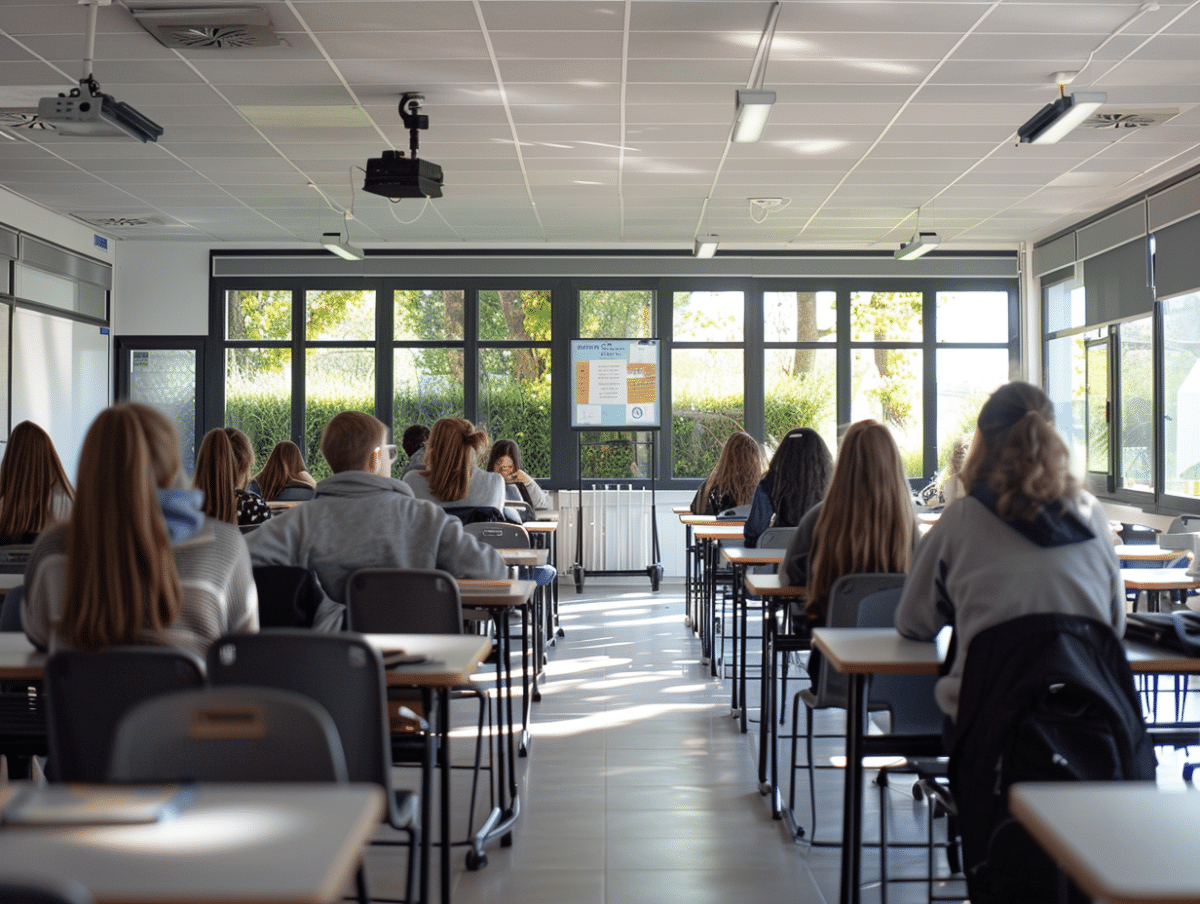
In the colleges of Yvelines, technology is redefining learning methods. Interactive whiteboards are gradually replacing blackboards, facilitating a more dynamic approach to teaching. Students use tablets and computers to access online educational resources, allowing for personalized education. Coding and robotics programs are multiplying, equipping young people with essential tools for their digital future. Augmented and virtual reality is beginning to make its entrance, offering immersive experiences that enrich the learning process. These innovations are transforming classrooms into interactive spaces where students’ curiosity and engagement are stimulated.
Impact of Technology on Teaching Methods in the Colleges of Yvelines
Deploying digital tools in the colleges of Yvelines is the challenge taken up by the Department of Yvelines with its Digital Plan for Colleges. The promise: to transform traditional teaching practices. Thanks to the Oze Yvelines initiative, the department has equipped all its institutions with Very High Speed Internet, a prerequisite for effective digital teaching. A decisive step for the digital era that lies ahead for students, from CM1 to 3rd grade.
The flagship project, e-SY, embodied by the digital backpack, is a cornerstone of this transformation. It is the work of Seine-et-Yvelines Numérique, the designer and operator of this solution, commissioned by the Department. In this backpack, there is a tablet, educational software, and also secure internet access. e-SY aims to facilitate students’ learning and to personalize teaching for teachers. Each educational actor is offered a range of adapted and evolving tools.
In terms of equipment, the ambition is realized through the provision of Mobile Individual Equipment (EIM). To date, 11,000 EIM have been deployed for 10,000 students and 1,000 teachers in 17 colleges. This allocation of modern equipment is part of a desire to democratize access to educational digital resources and to ensure equity among students. A significant investment that reflects the department’s commitment to an education rooted in its time.
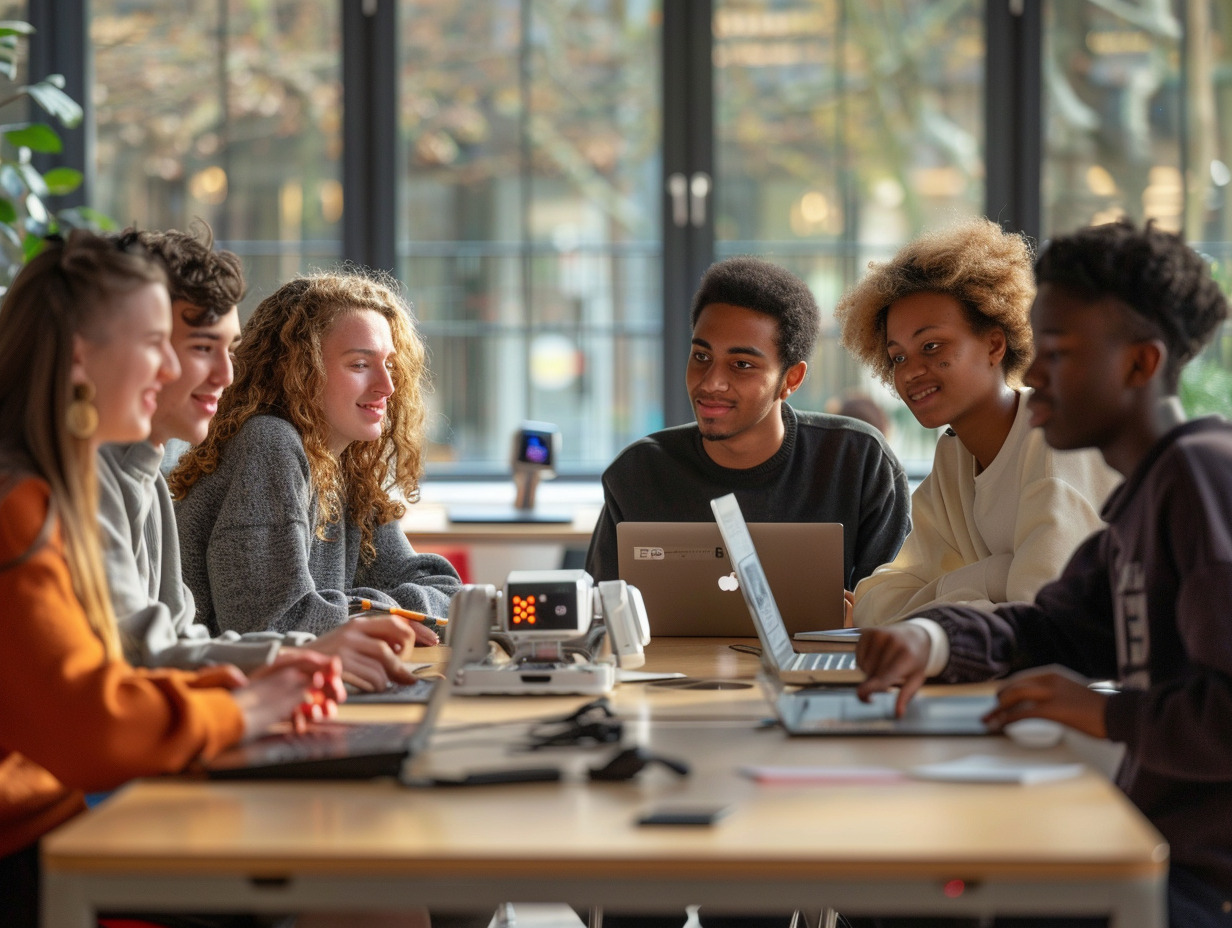
Challenges and Perspectives of Technological Integration in Education
The implementation of educational technology in the colleges of Yvelines, while promising, raises critical challenges. The Ministry of National Education and Youth, a partner in the e-SY project, is focusing its efforts on teacher training. This aspect of the initiative is essential: preparing educators to integrate new technologies into their curriculum requires a thorough revision of teaching methods. Continuous training thus emerges as a lever for success for the project.
The educational system must also address the issue of the sustainability of the equipment. Mobile Individual Equipment (EIM), as technological objects, are subject to obsolescence and rapid market changes. Consideration must be given to the maintenance and renewal of these tools to ensure continuity in digital learning.
Pedagogical perspectives must also be redefined in light of information and communication technologies. The technological integration in education is not limited to material equipment; it encompasses a transformation of learning content and methods of assessing students. In the face of these challenges, collaboration between the department and the ministry proves fundamental to develop strategies for adapting teaching.
The educational success through technological integration will be judged on its ability to reduce inequalities and promote equal opportunities. The department of Yvelines, aware of this imperative, ensures that access to digital resources is equitable for all students, regardless of their social background. This vigilance is the guarantee of an education that leaves no one behind in a society where digital technology plays a predominant role.