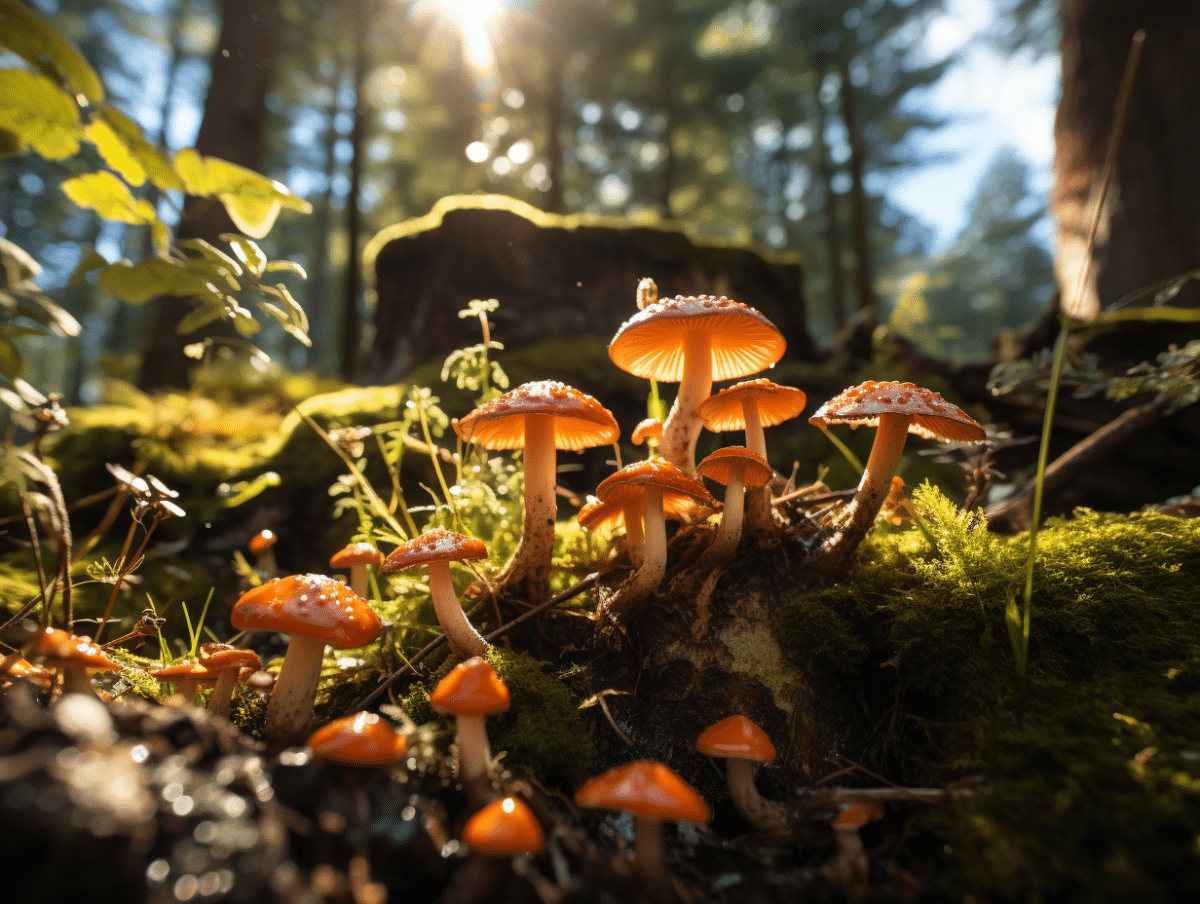
The enthusiasm for mushroom picking increases every autumn, attracting nature lovers and food enthusiasts in search of forest flavors. This quest can prove risky. Every year, cases of severe poisoning are reported, sometimes with fatal outcomes. These incidents highlight the importance of knowing the basics of mycology before heading out to hunt for mushrooms. Identifying toxic species is essential for any forager, and several distinctive signs, often unknown to the general public, allow one to distinguish edible specimens from their dangerous lookalikes.
The basics of mycology for identifying mushrooms
In the complex and fascinating world of mushrooms, accurate species identification is a demanding task. Jerry Thorn, a member of the Mycological Research Group, emphasizes the need to acquire specific knowledge to differentiate edible varieties from potentially deadly ones. For example, the fearsome Amanita phalloides, which resembles the Paris Mushroom, is responsible for the majority of severe poisonings. These deceptive similarities require careful observation and a keen understanding of mushroom morphology.
Liliane Chillon and Mike Clemens, both active members of the same research group, illustrate the commitment necessary by participating in field mycology courses, such as the one offered in Bascharage. These training sessions highlight specific species such as the Fomitopsis pinicola, inedible but known for its ancestral use in making fire. Similarly, the Galium aparine, once considered edible, is now classified among toxic mushrooms, necessitating constant vigilance and an update of knowledge.
Participants in these training sessions, such as Marie Garnier-Delcourt and Joris Kadok, learn not only to identify species but also to recognize inedible porcini and the various local variants. The Society of Luxembourg Naturalists, associated with these educational efforts, contributes to a better understanding of mycology. This science requires a rigorous approach and familiarity with the nuances of the fungal ecosystem, major elements for the safety of every forager.
Precautions and safety measures to avoid dangerous mushrooms
Aware of the risks associated with consuming toxic mushrooms, the president of the Mycological Society of Alès, Vanessa Bozec, offers essential recommendations. During an interview on France Bleu Gard Lozère, she reminds us of the first rule: never consume a mushroom whose identification is not absolute. This caution is even more fundamental as many poisonous mushrooms present delayed symptoms of poisoning, such as nausea, vomiting, and abdominal pain, sometimes followed by serious complications.
For its part, the Regional Health Agency of Occitanie joins this vigilance effort by issuing basic advice for foraging. Among them, only pick specimens in good condition and avoid those near polluted areas or heavily trafficked roads. The Agency emphasizes the importance of separating species during harvesting to avoid cross-contamination between edible and potentially toxic ones.
The Poison Control Center and Toxicovigilance CHU of Nancy, which tracks poisoning cases, and the Amyphar association, which supports the ongoing training of pharmacists in mycology, highlight the value of partnerships between experts and health professionals. These collaborations aim to strengthen prevention and provide informed advice to amateur foragers. The scientific council of the natural heritage of Grand Est, Jean-Paul Maurice, a member of the Mycological Society of France, also participates in this mission by sharing his expertise during conferences and field outings.
The Anses and the publication Santé Sur le Net, with a recent update of the article by Doctor of Pharmacy Estelle B., warn against the risks of poisoning. They recommend consulting a specialist, such as a pharmacist or a member of a mycological society, before consuming wild mushrooms. Caution is the watchword, and learning from experts becomes a safeguard against the unsuspected dangers of nature.